The Soft City
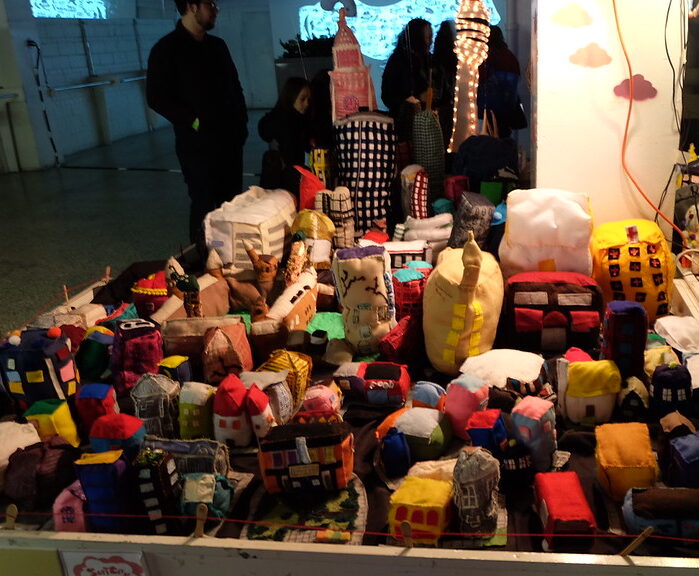
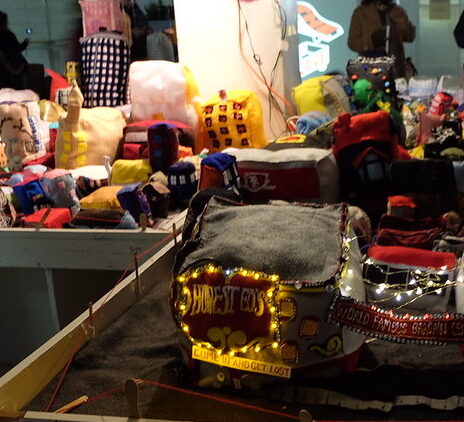
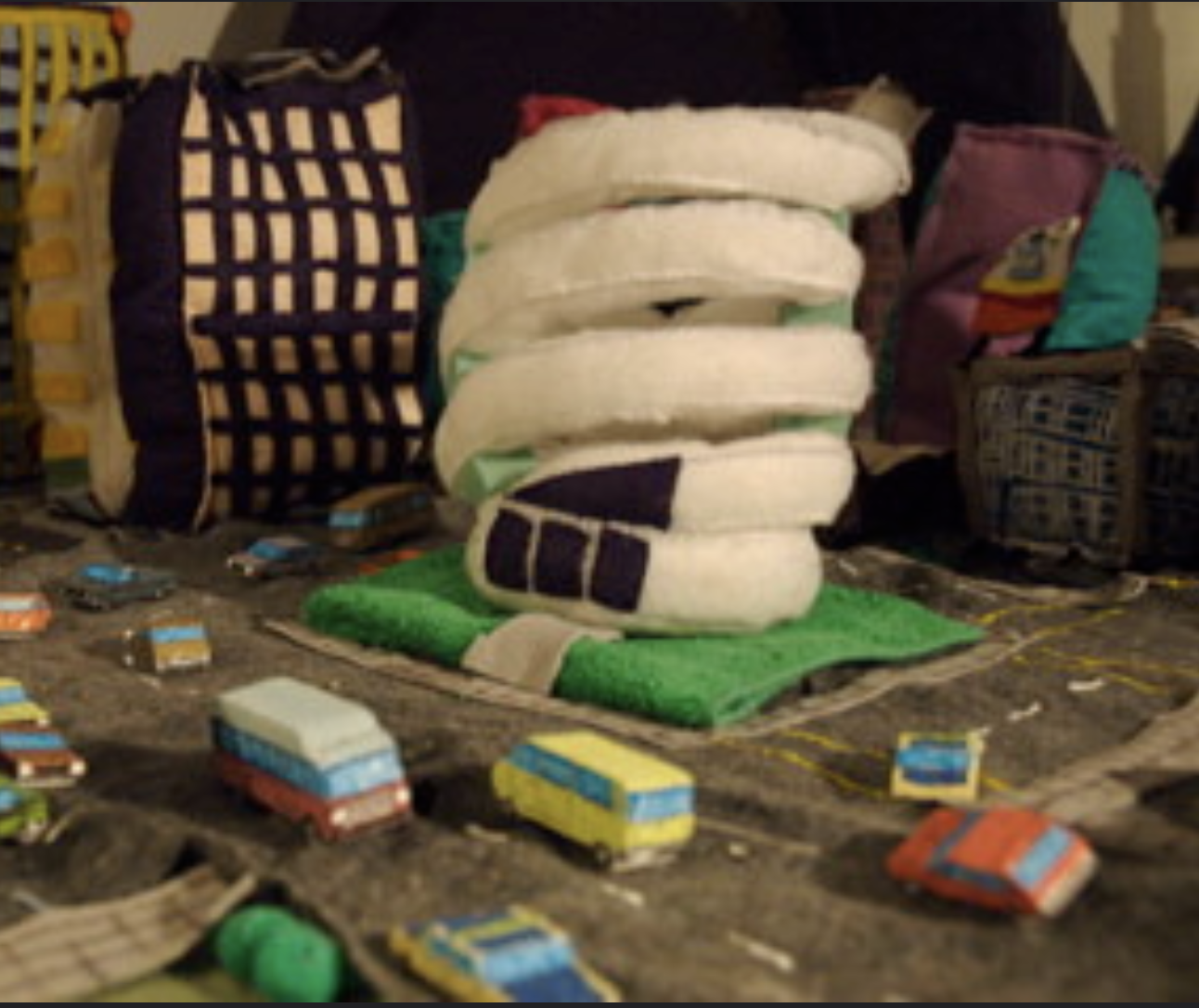
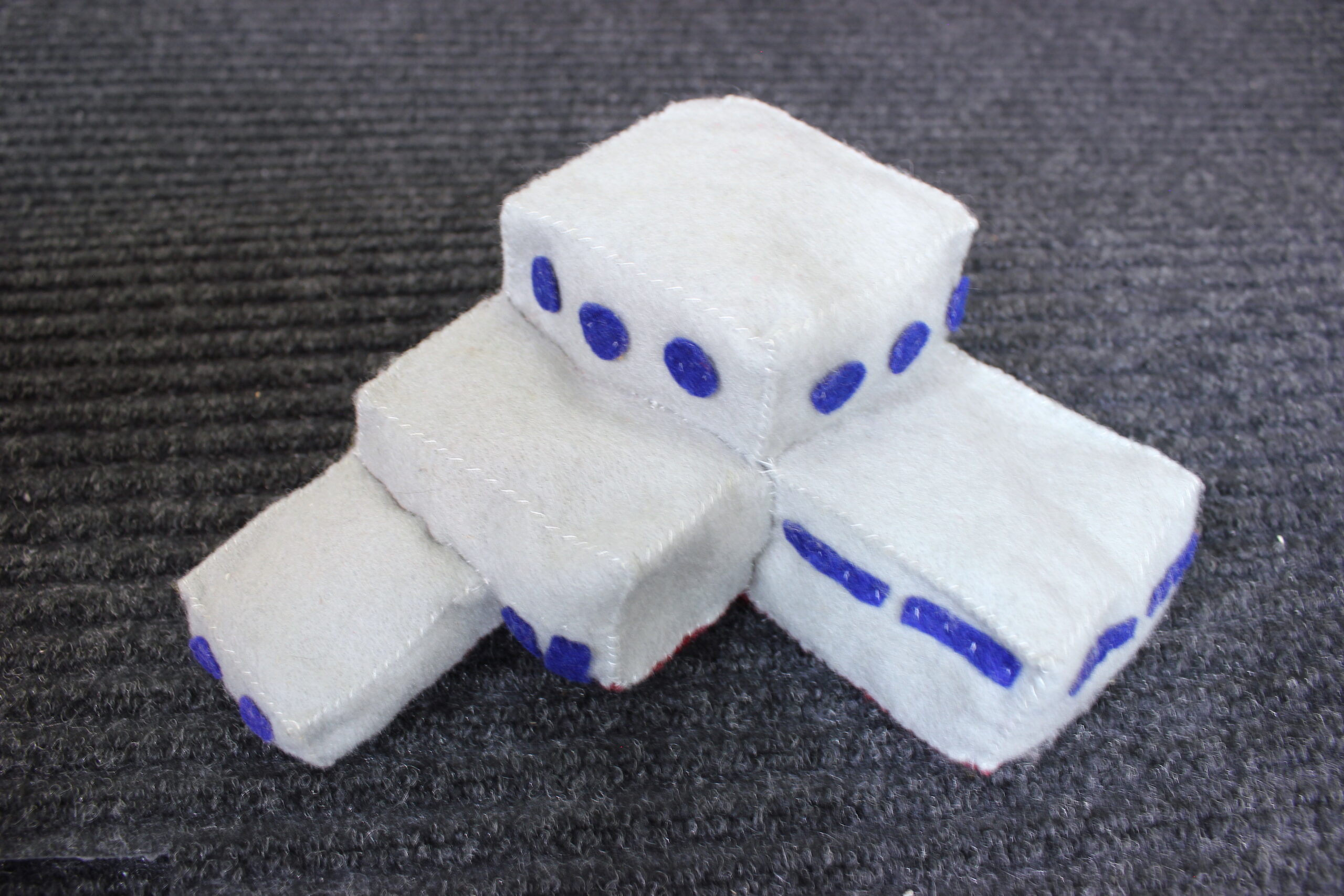
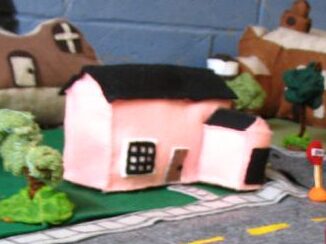
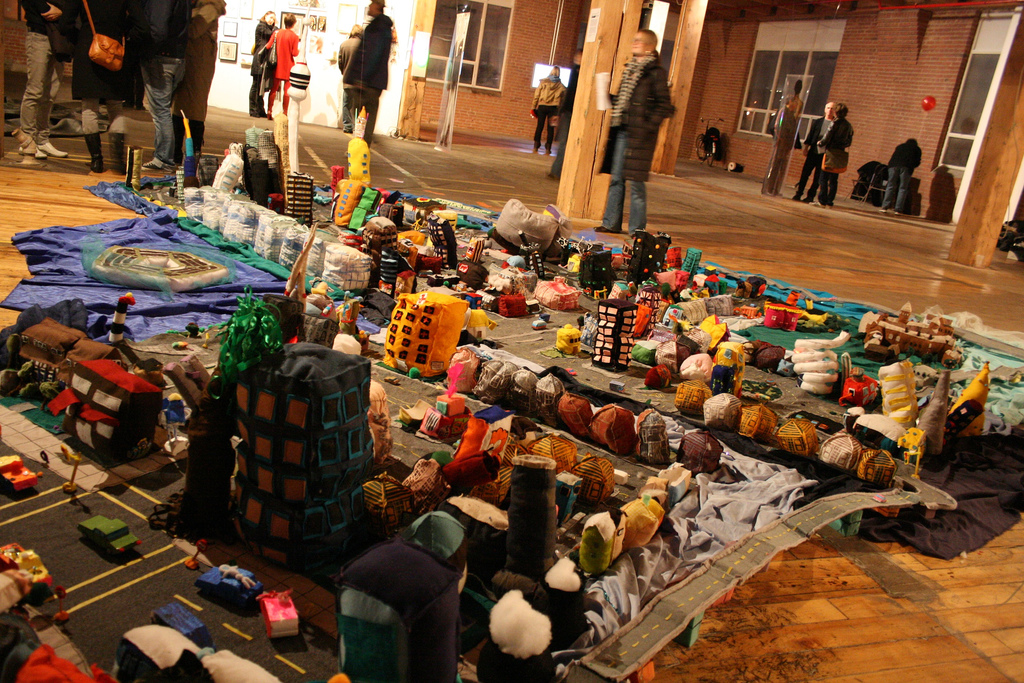
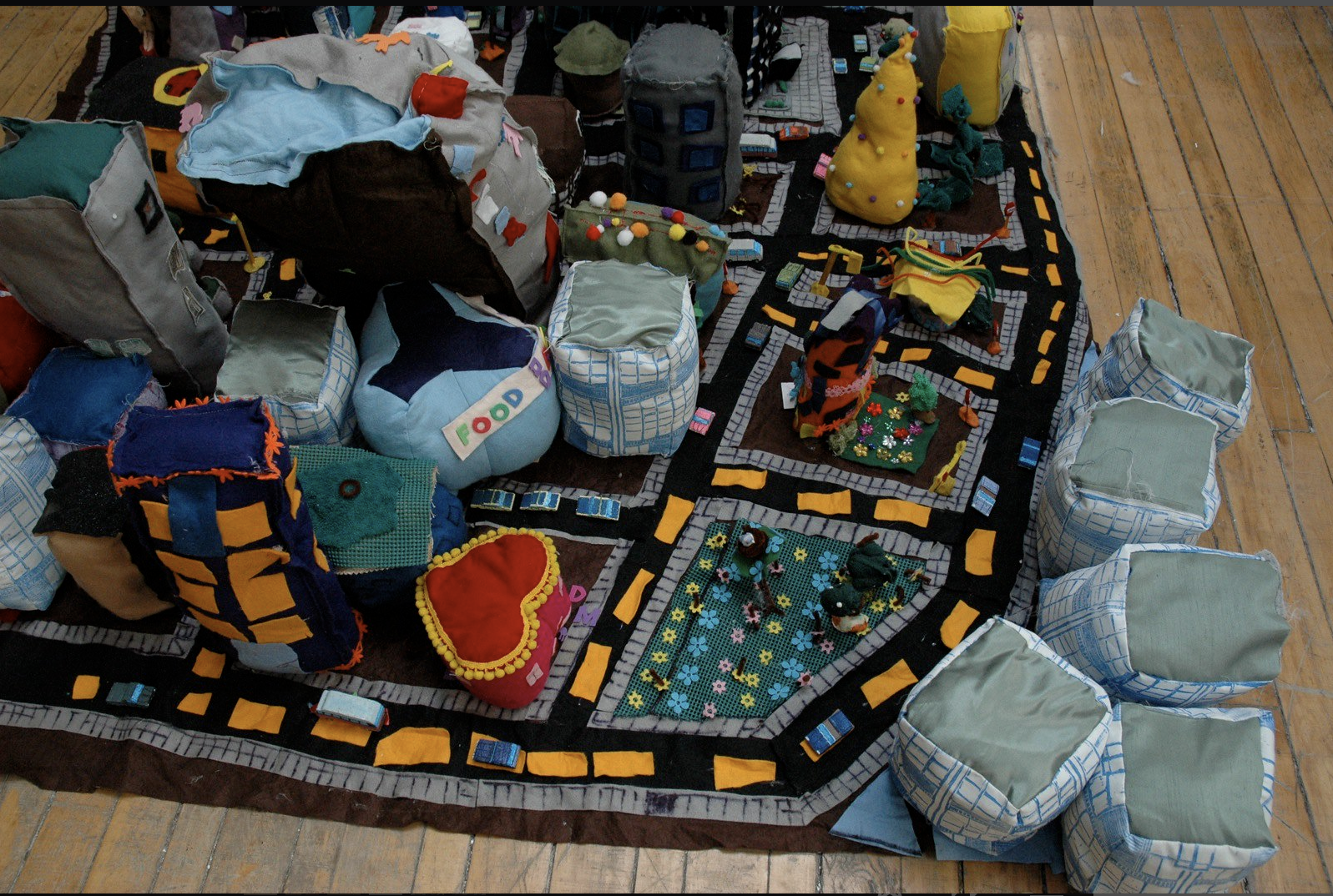
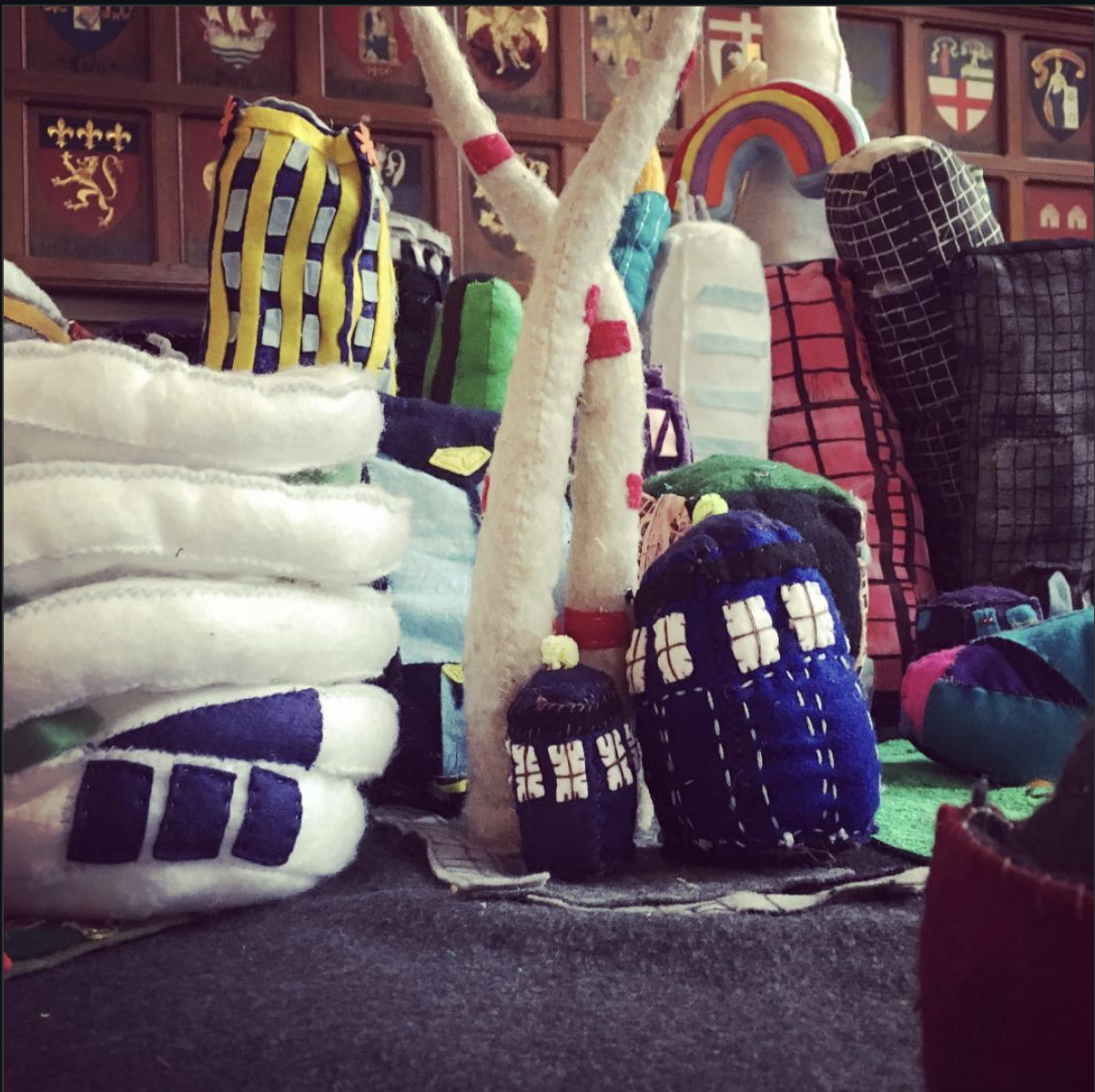
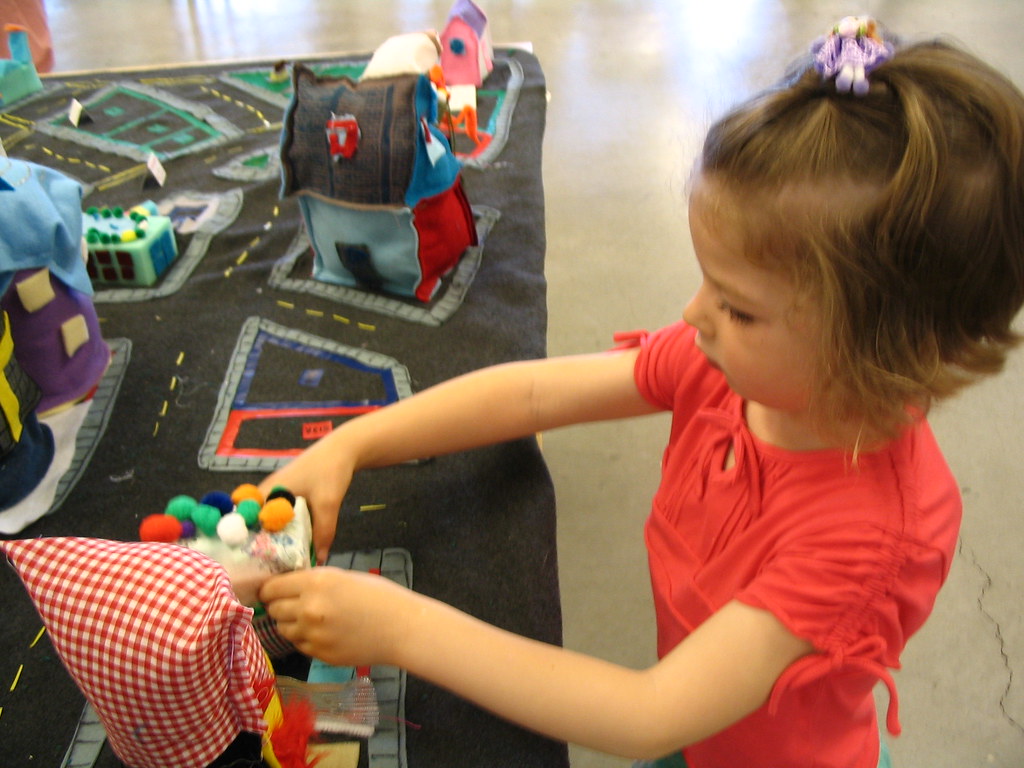
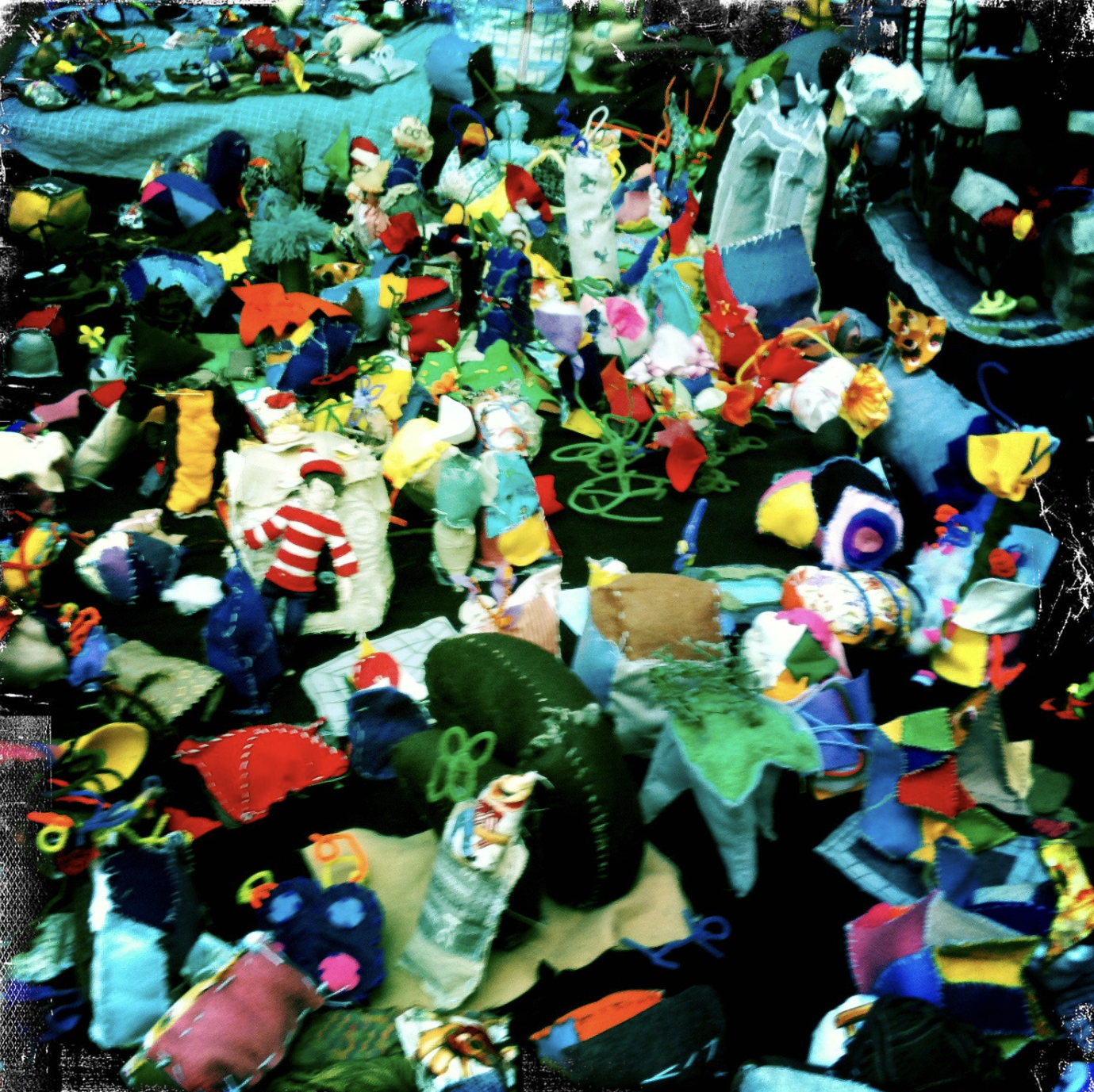
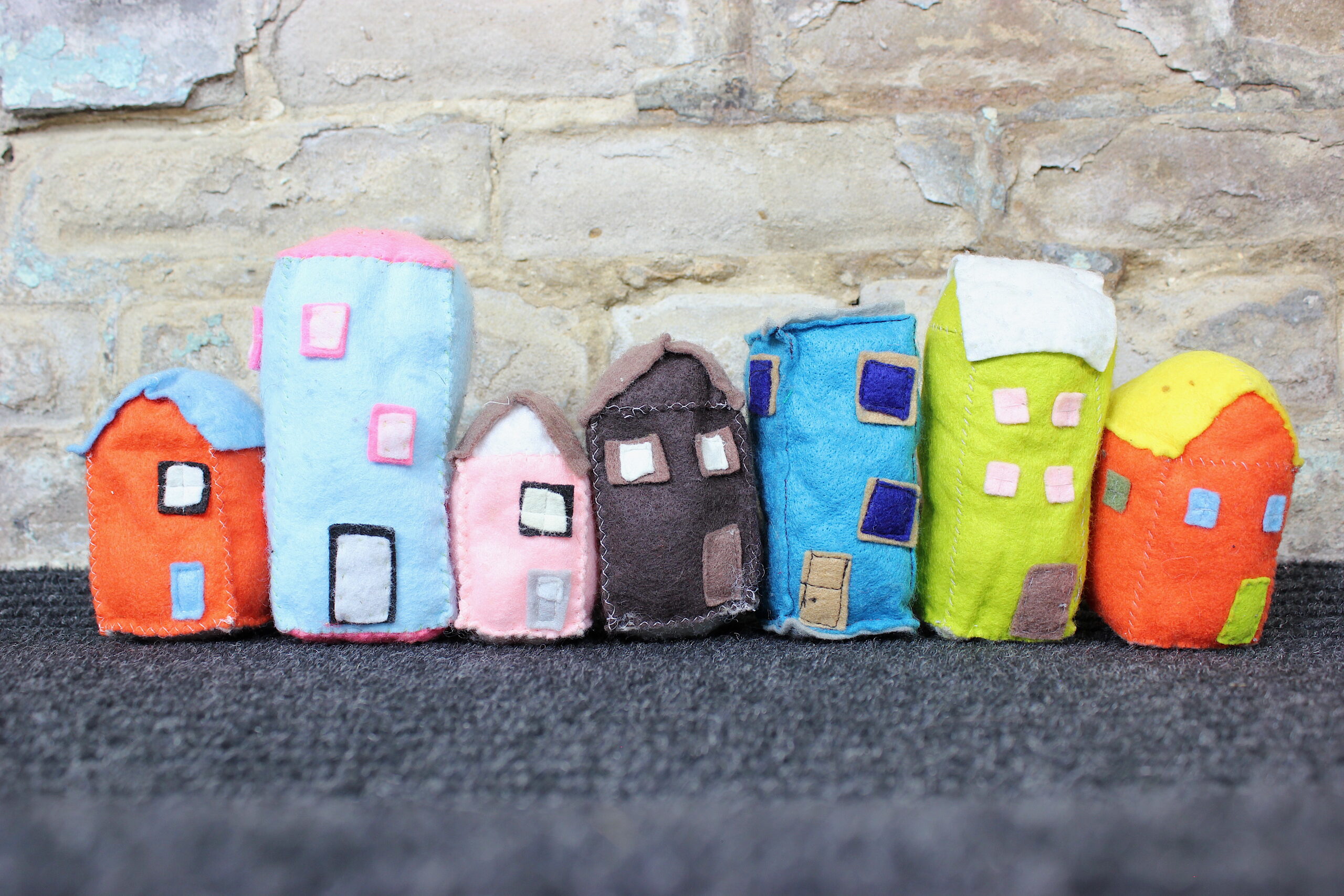
The Soft City (a collective project with Rose Bianchini, Sarah Couture-McPhail, Yvonne Ng and Jason Van Horne) plays on Jonathan Raban’s concept of the city as place of our imagination. This miniature city of felt buildings offers a warm and inviting playground for visitor-participants to explore, build, reconfigure, and express themselves, as they transform a felt capital with their creative input. On its fuzzy surface, the Soft City represents the ultimate creative city. Made up of funny, lopsided, imaginative structures, the Soft City takes the recent phenomenon of “destination architecture” to the heights of ridiculousness. As opposed to the popular discourse of creative cities, however, this model of city building does not efface the relegated roles of the artist and labourer with the whimsical exterior of the city’s architecture. Instead, the real work of artists and labourers in sustaining the life of the creative city is brought to the fore, highlighting their commonalities and the potential for solidarity in their shared situation.
Exhibitions and Workshops
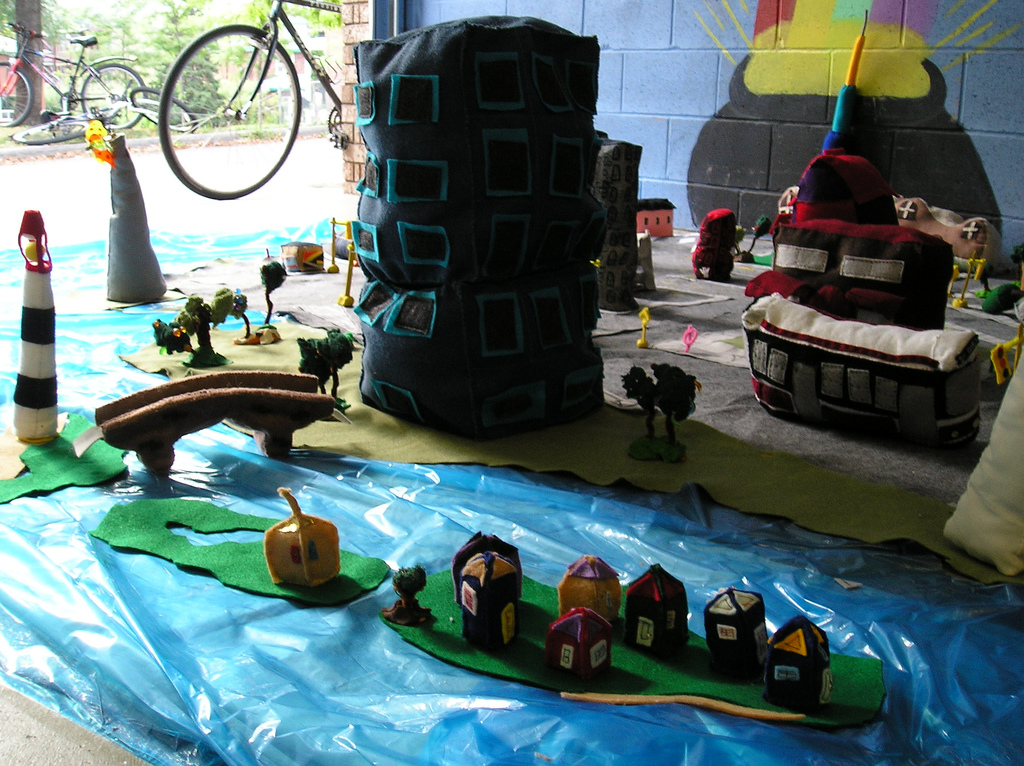
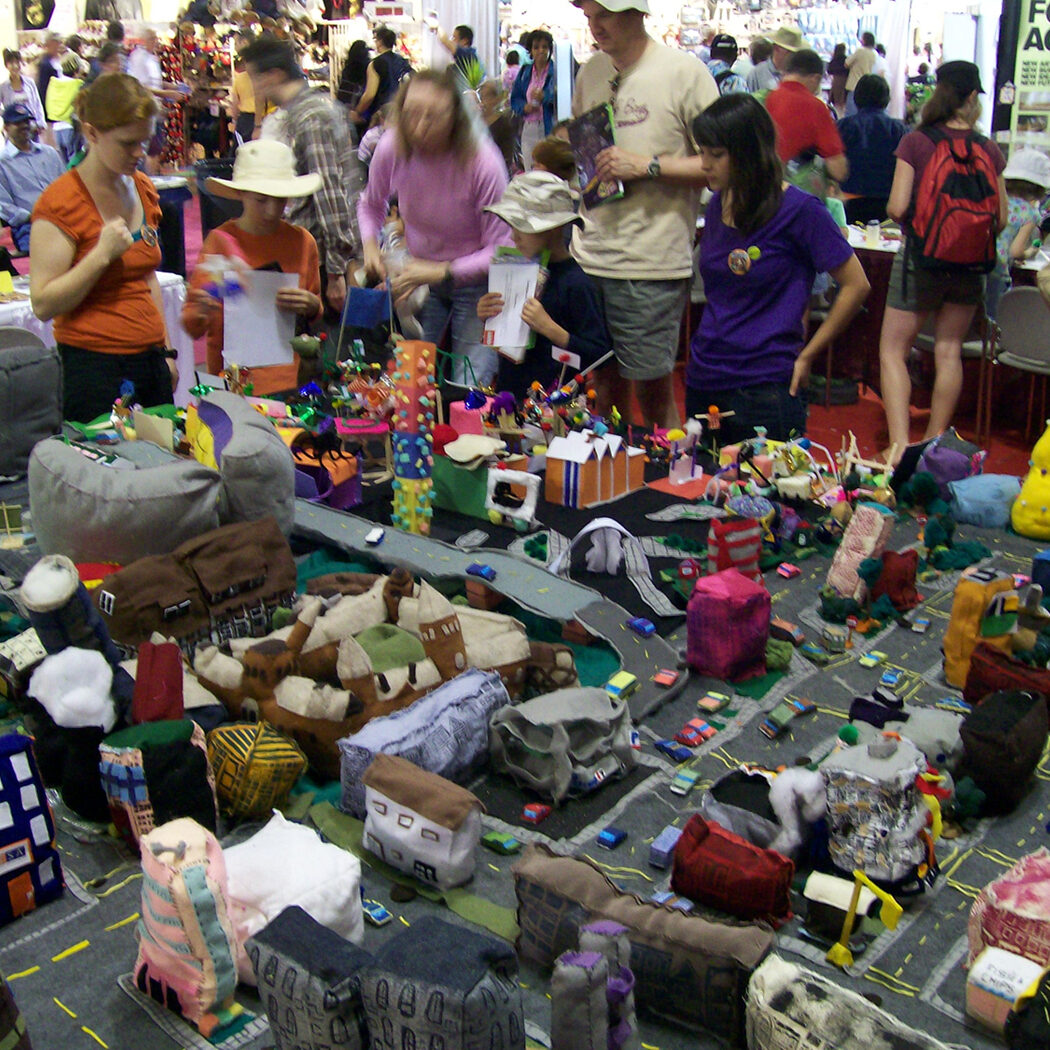
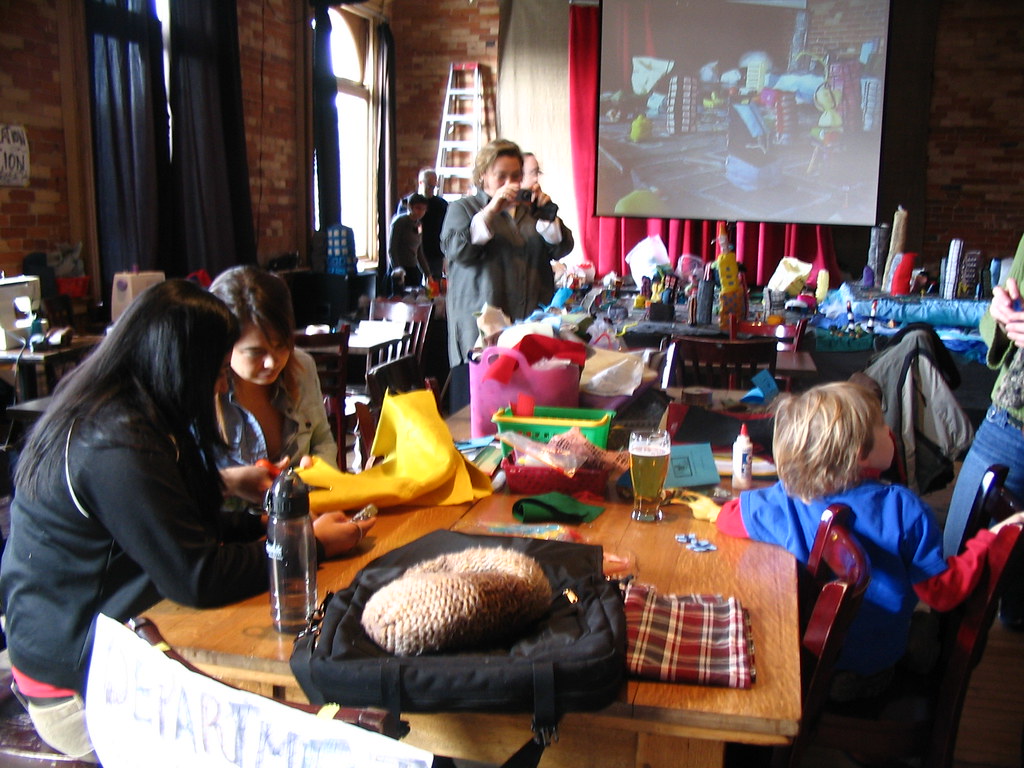
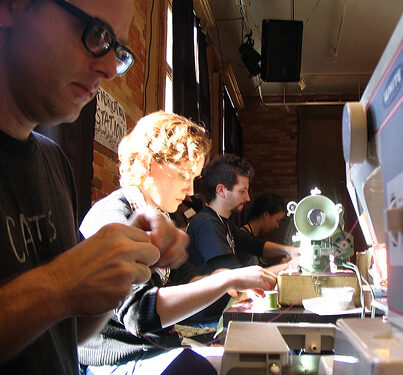
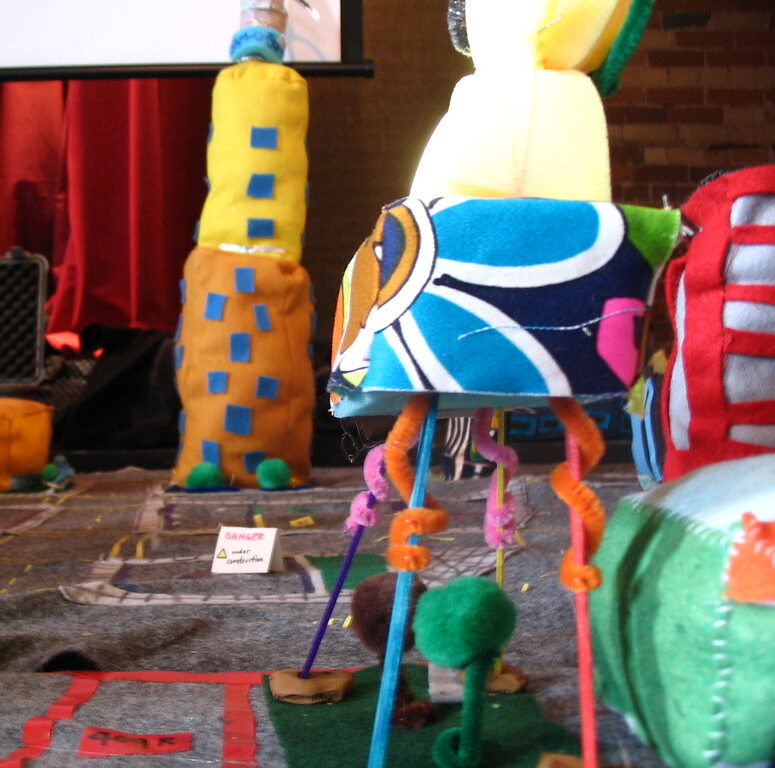
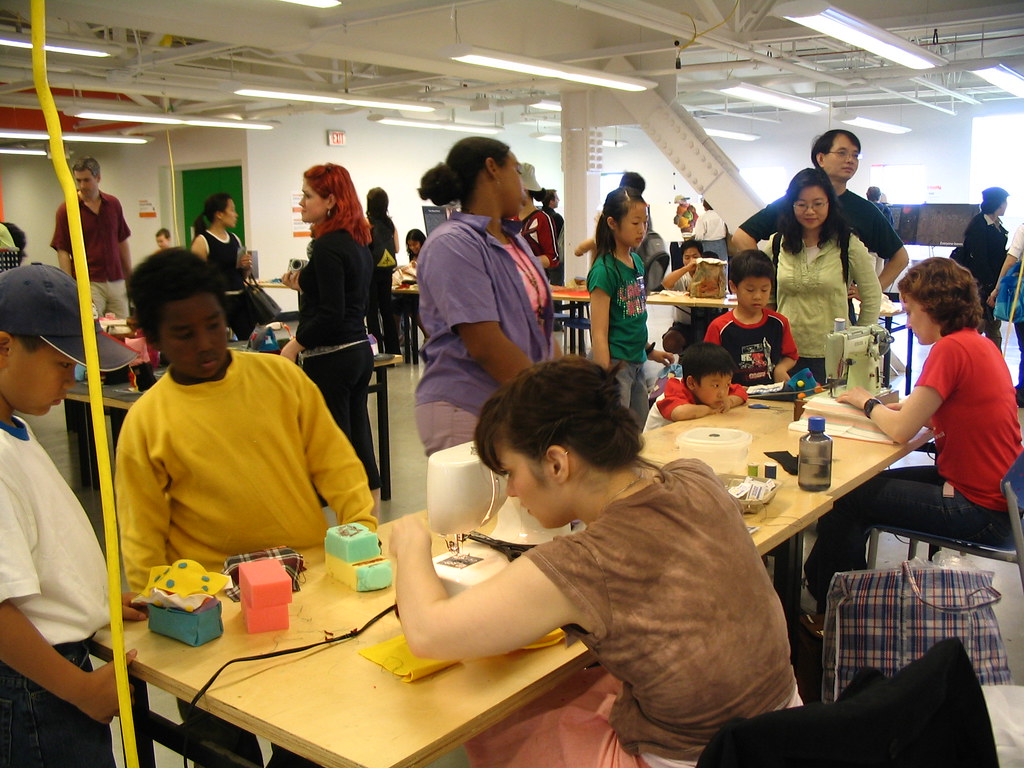
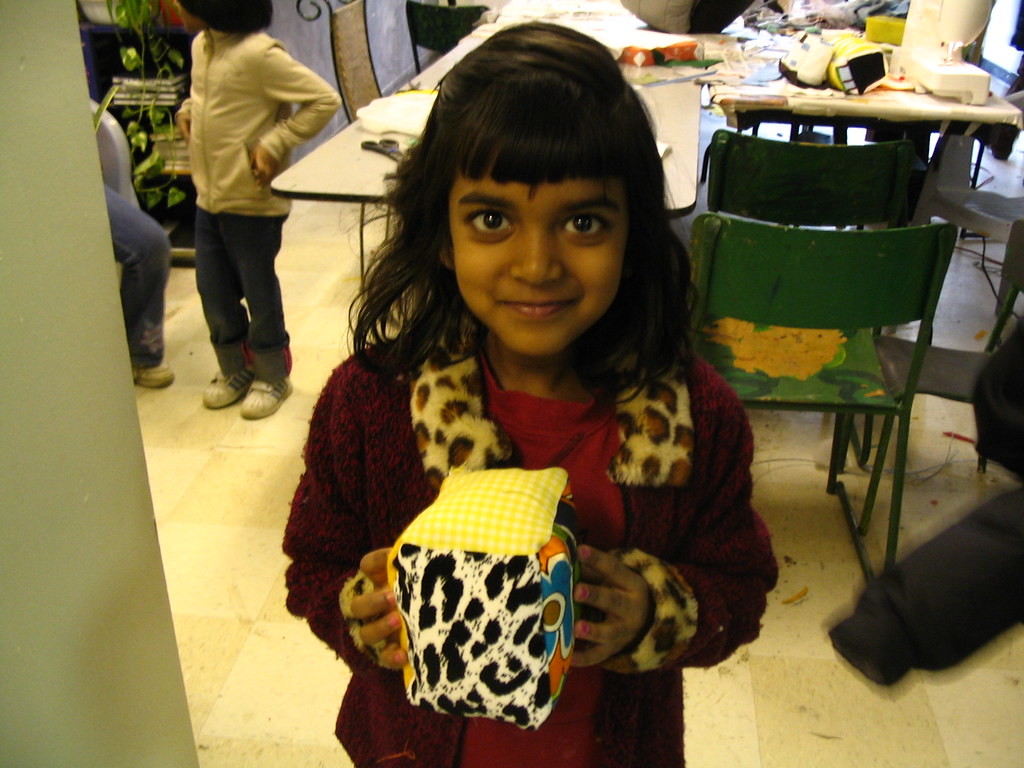
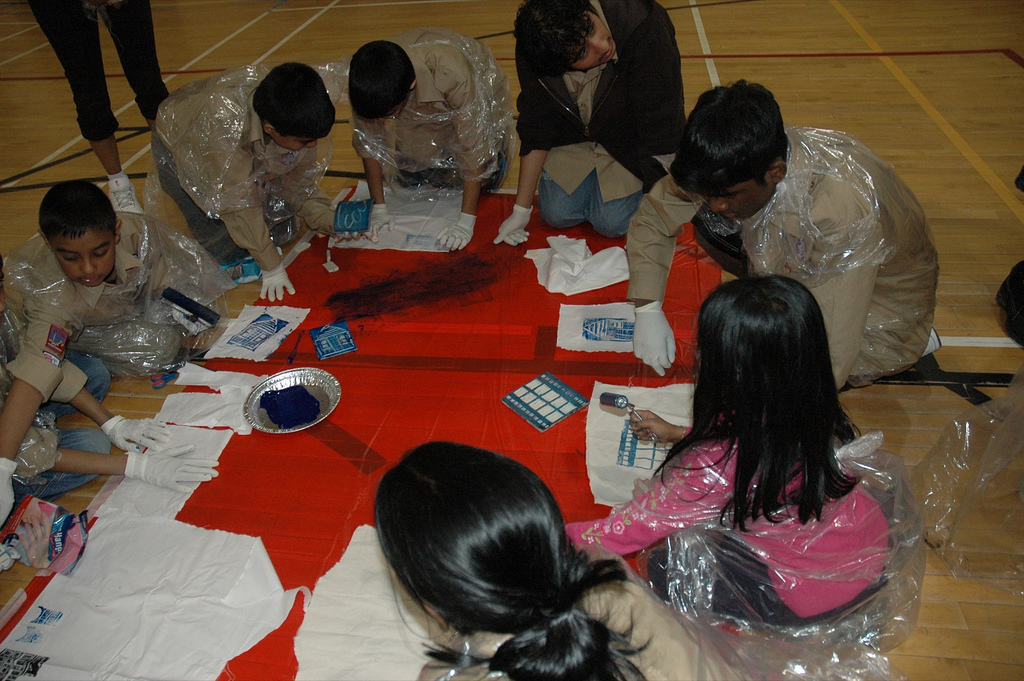
From 2006 to 2018 The Soft City exhibited widely in Toronto (plus one show in New York), everywhere from garages and small galleries, to larger venues like the CNE, Toronto City Hall, and the AGO. At many of these events we ran concurrent workshops where participants could design a building, garden or playground, with support sewing/gluing it together. Participants could also engage in some soft city planning: re-zoning neighbourhoods, and adding roads, sewers or public art. The audience included varied cross-sections of the public from artists and after-school programs to city planners and art therapy sessions.
Nostalgic Places
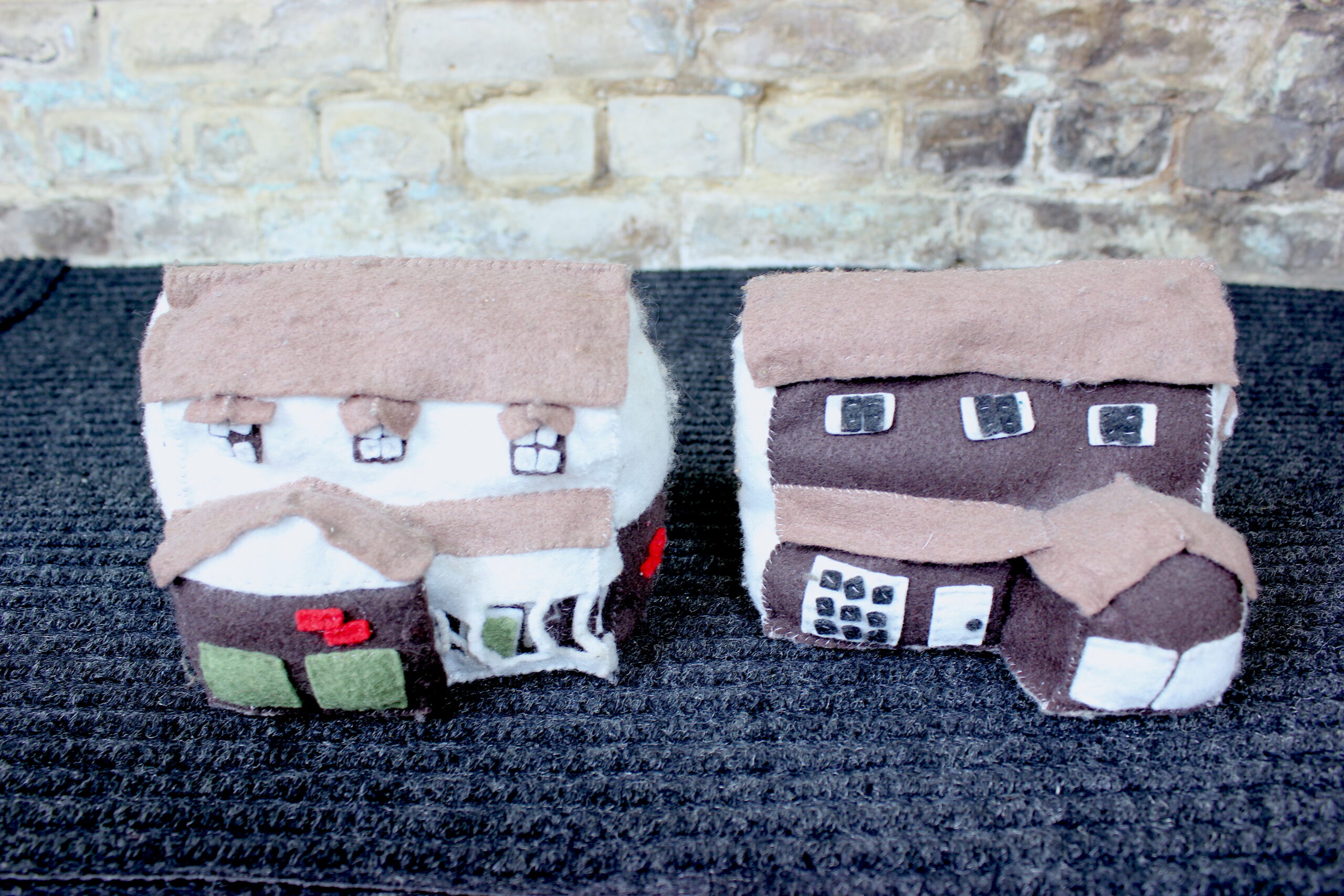
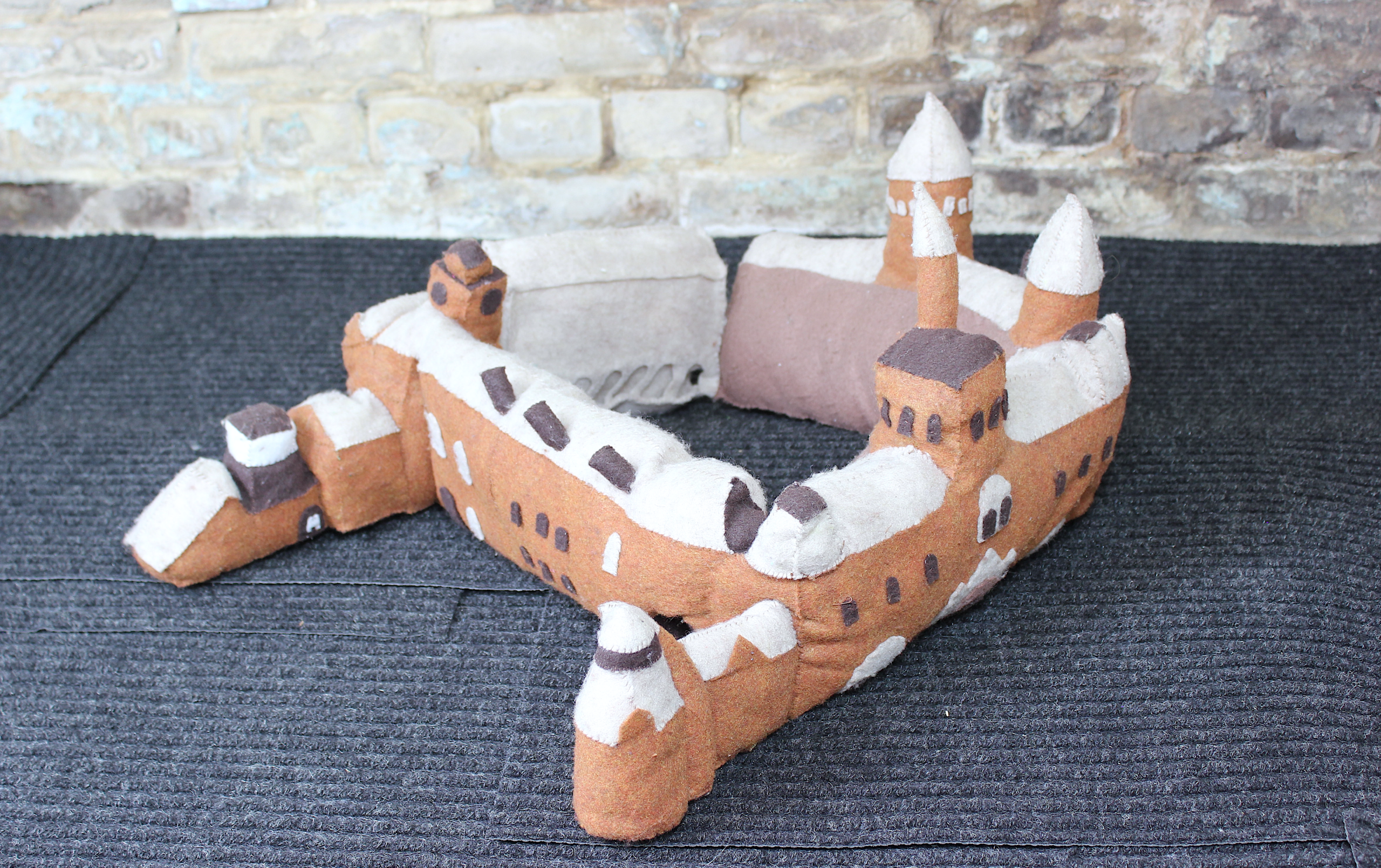
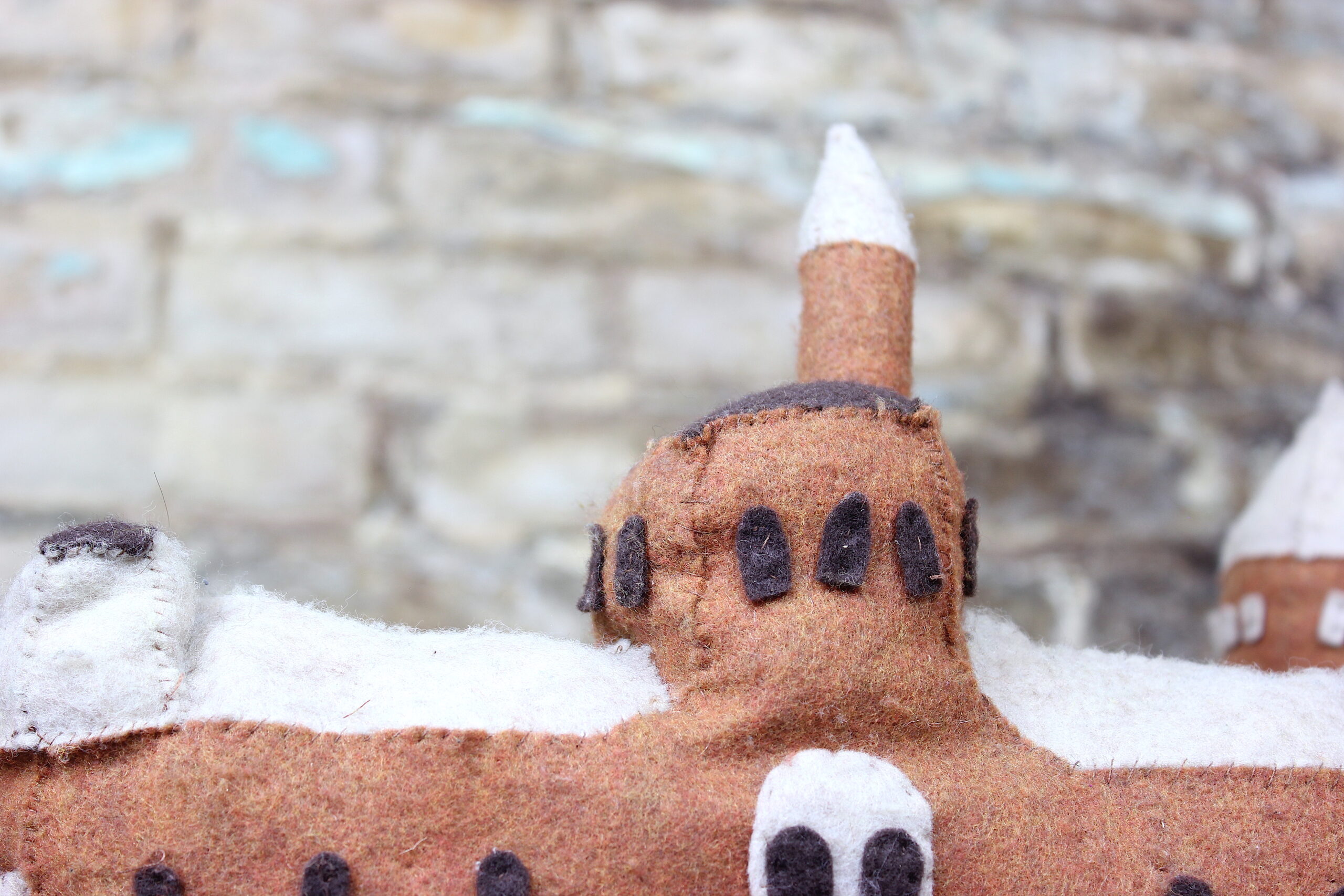
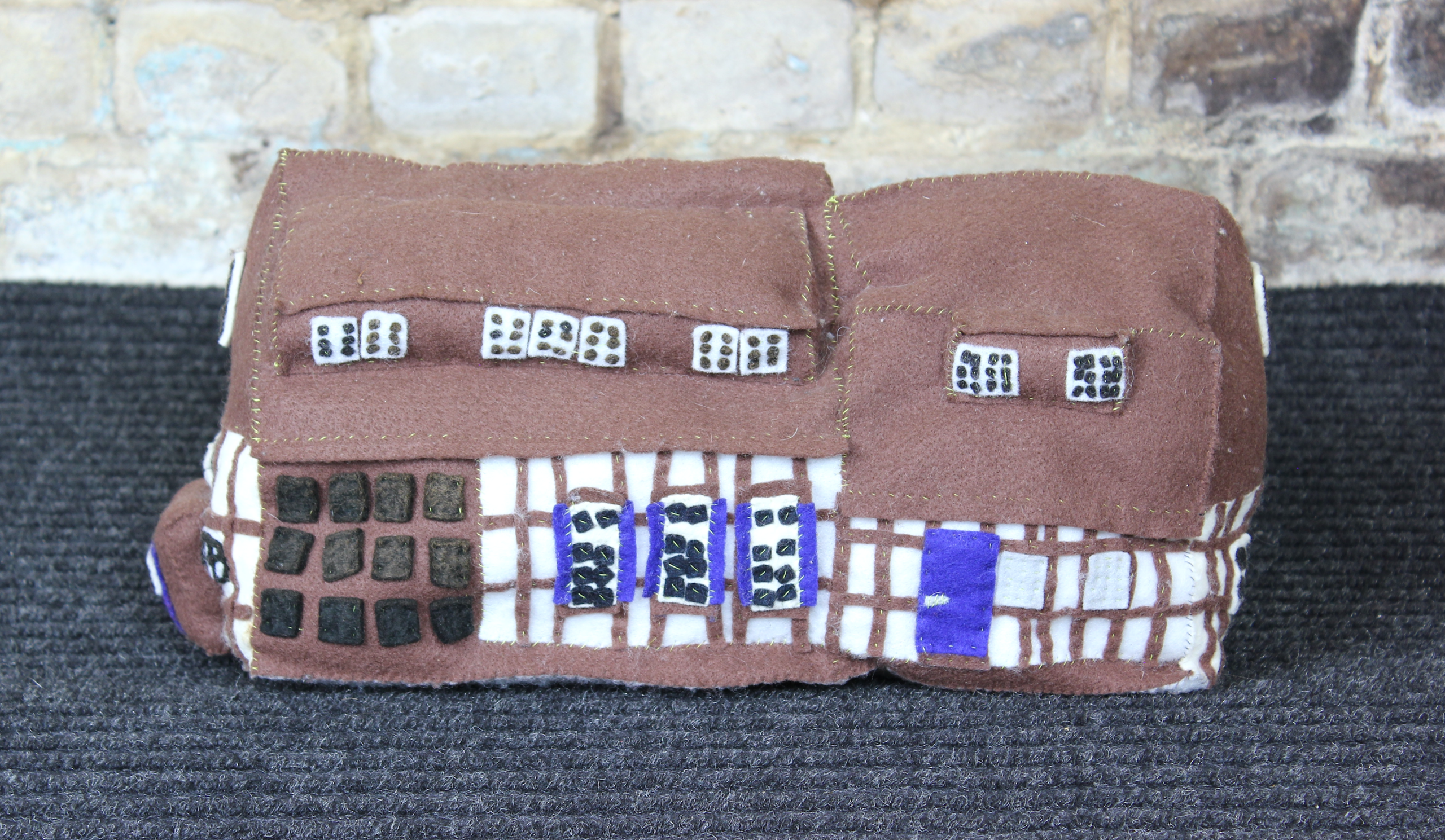
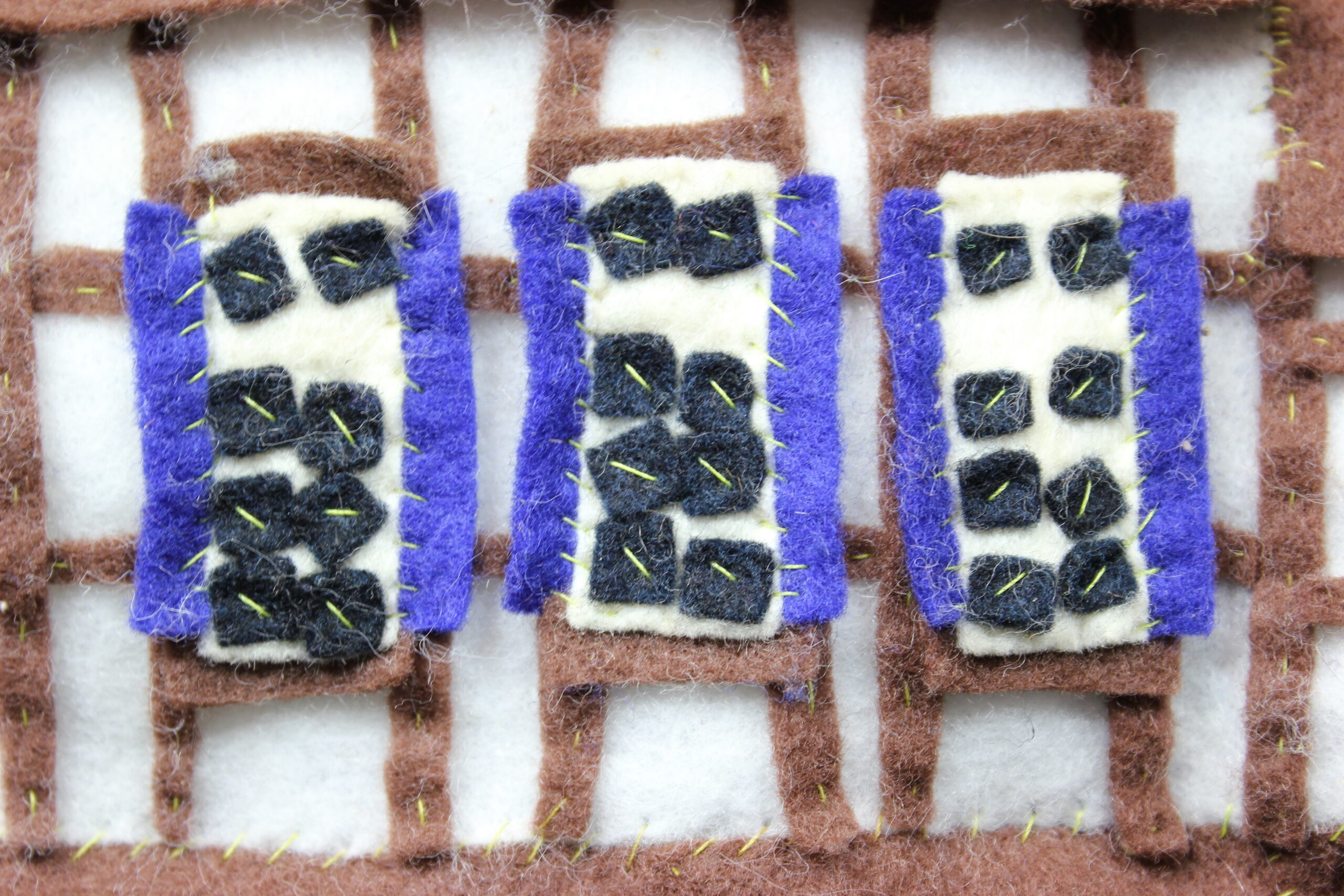
The Soft City is not just about imagining the city we might want for the future, but also about reconsidering the built spaces of our past. When you get to know a space so well that your body has molded itself to its contours and your imagination takes it as a default, you both no longer see it, and yet would notice if a single brick were out of place. The process of trying to find pictures of my childhood home from every angle, so that I could fill in all the details left out of my patchwork of visual memories took me on a strangely background-focused tour of old birthday party and graduation photos. University College, on the other hand, is the focal point of thousands of tourist pictures. Looking at them made me remember all the shortcuts for getting from one wing to the other underground, or through third floor hallways. It also brought back the distinctive smell of Room H-8, where I spent thousands of hours, to the point where I started to take on the same smell.
Infrastructure Critique and Experiments with Shape
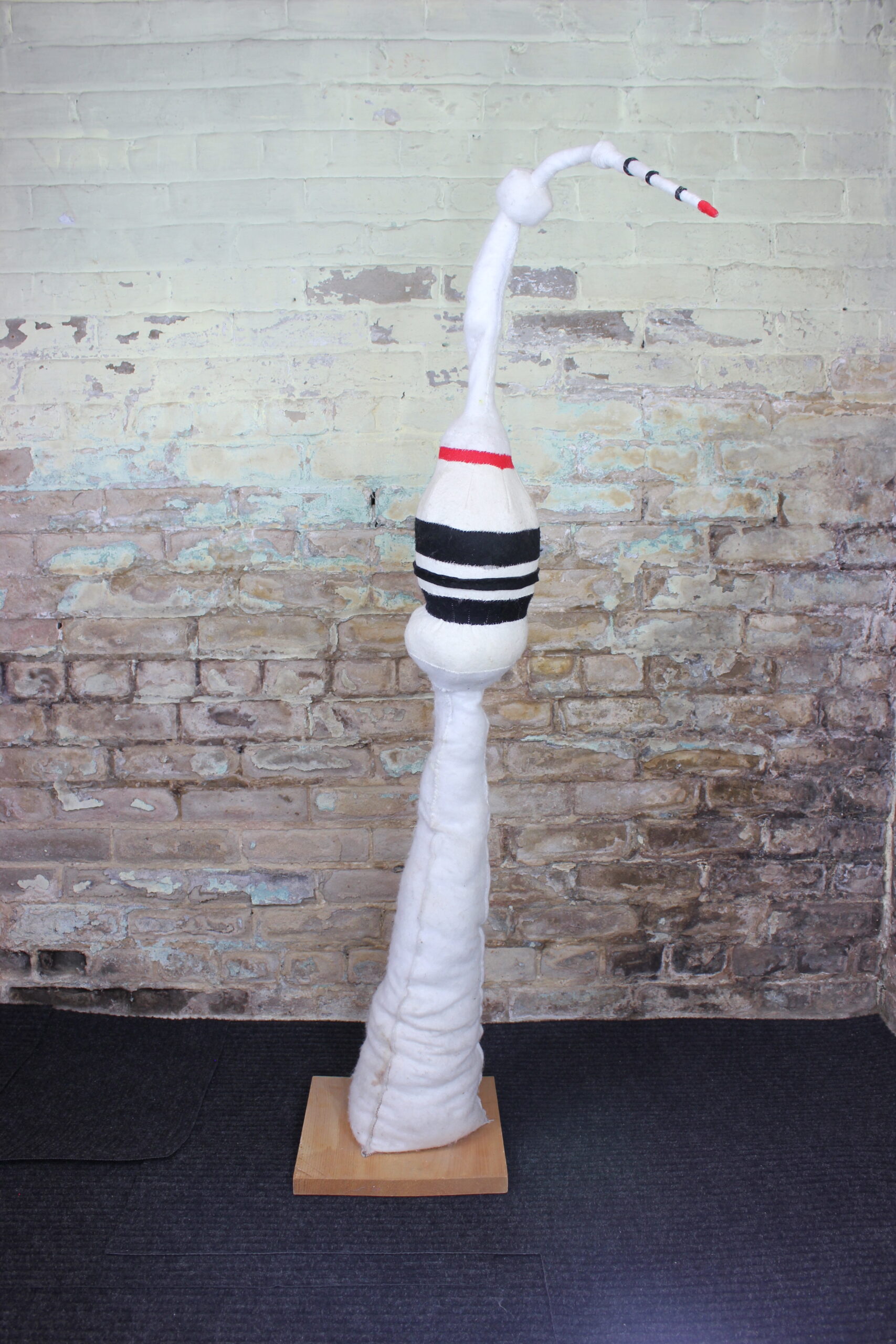
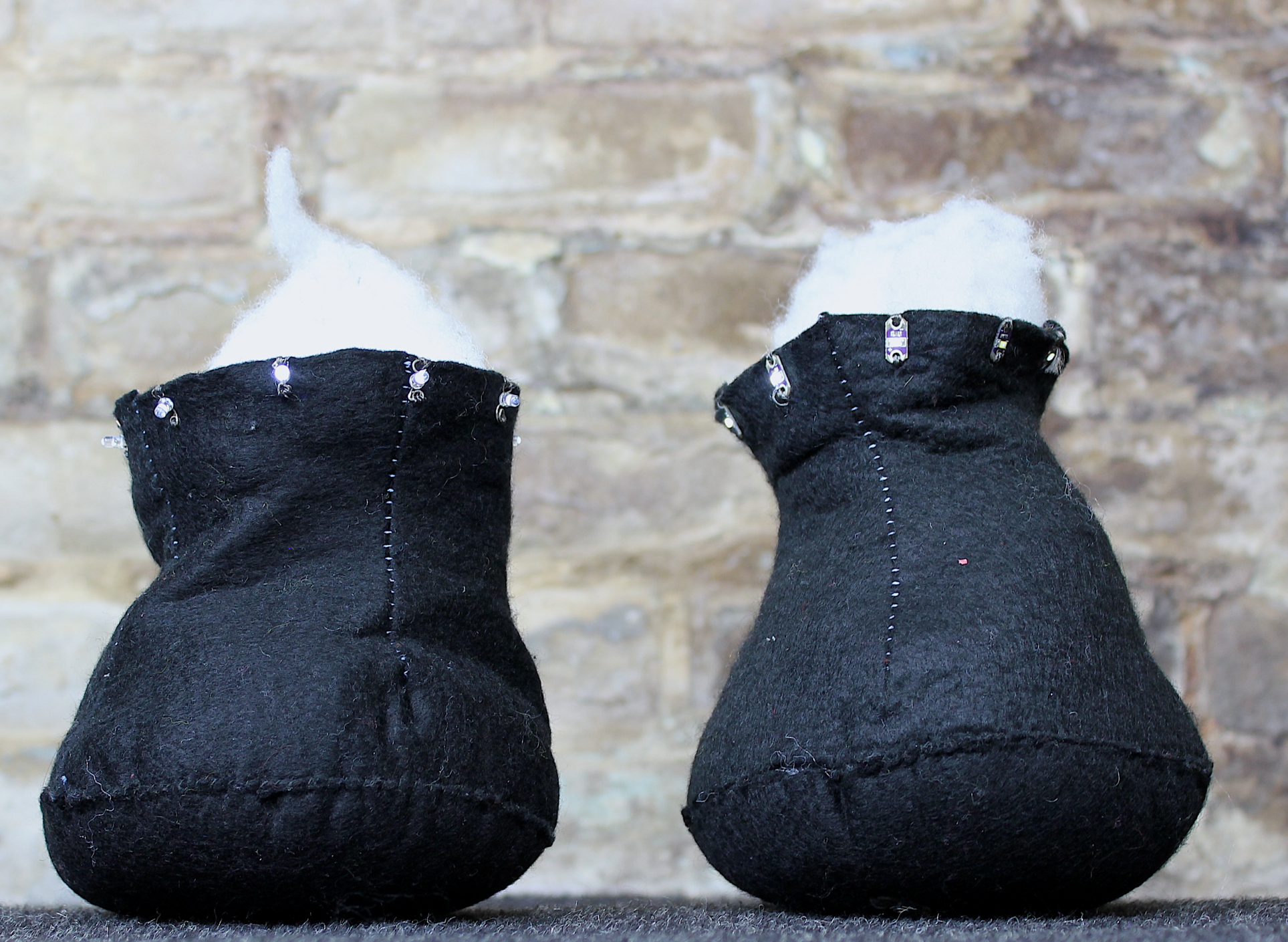
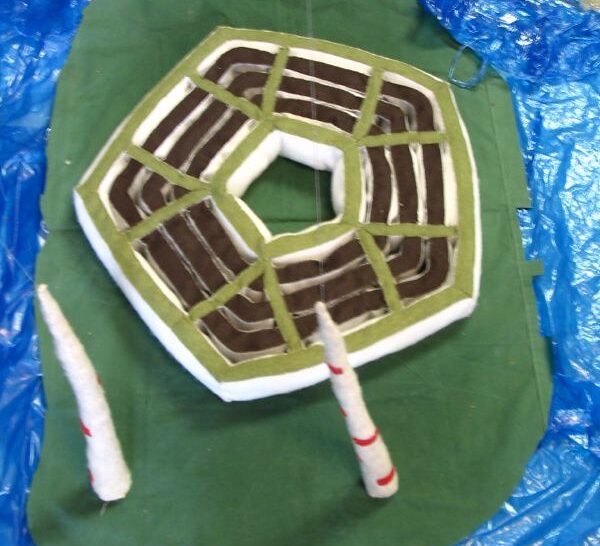
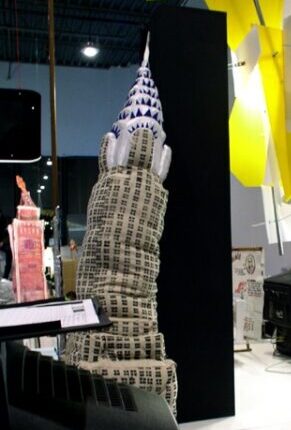
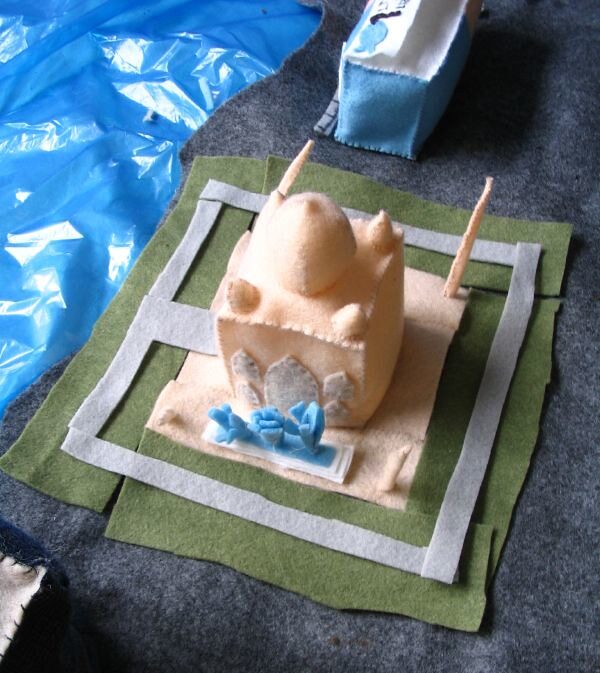
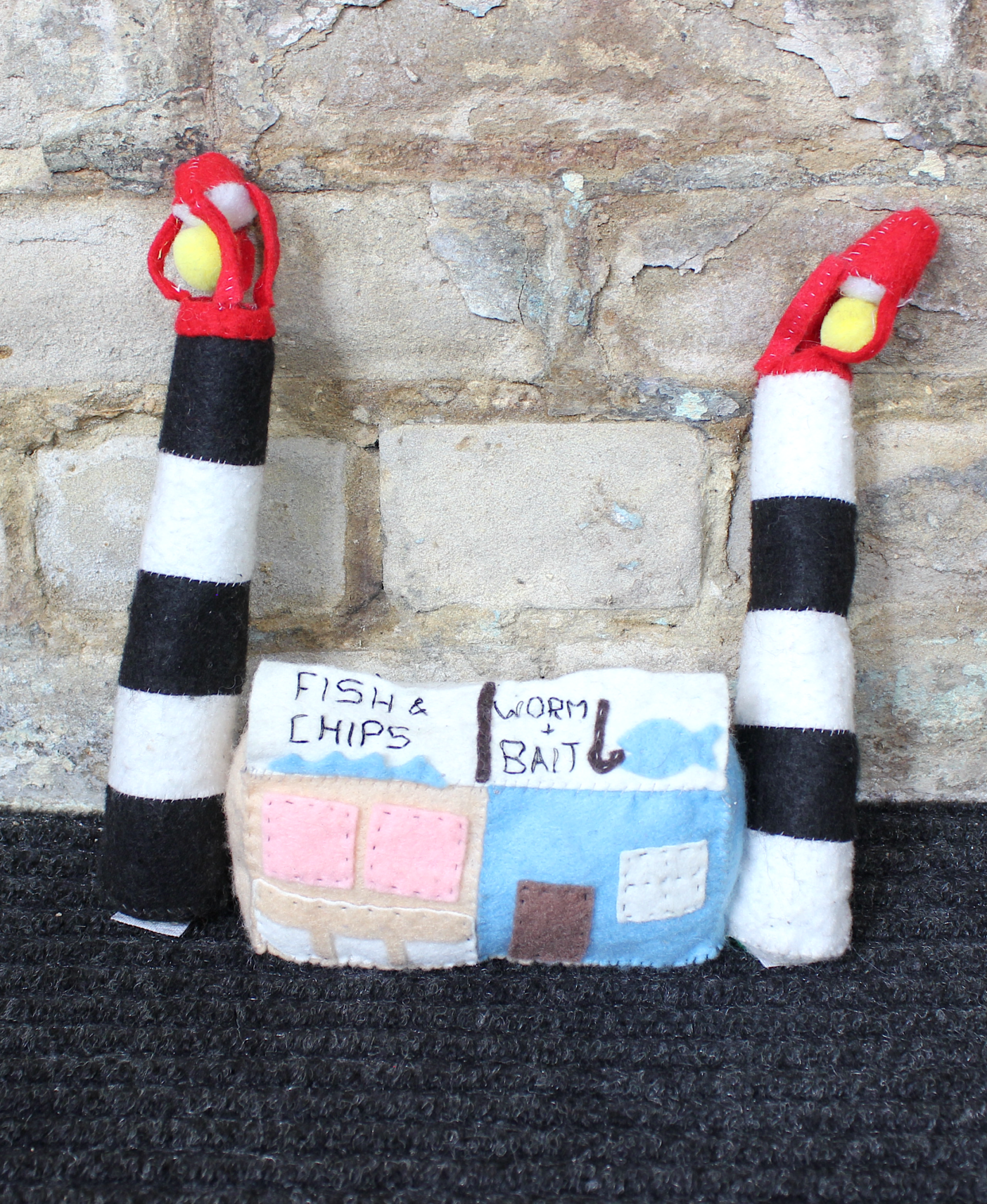
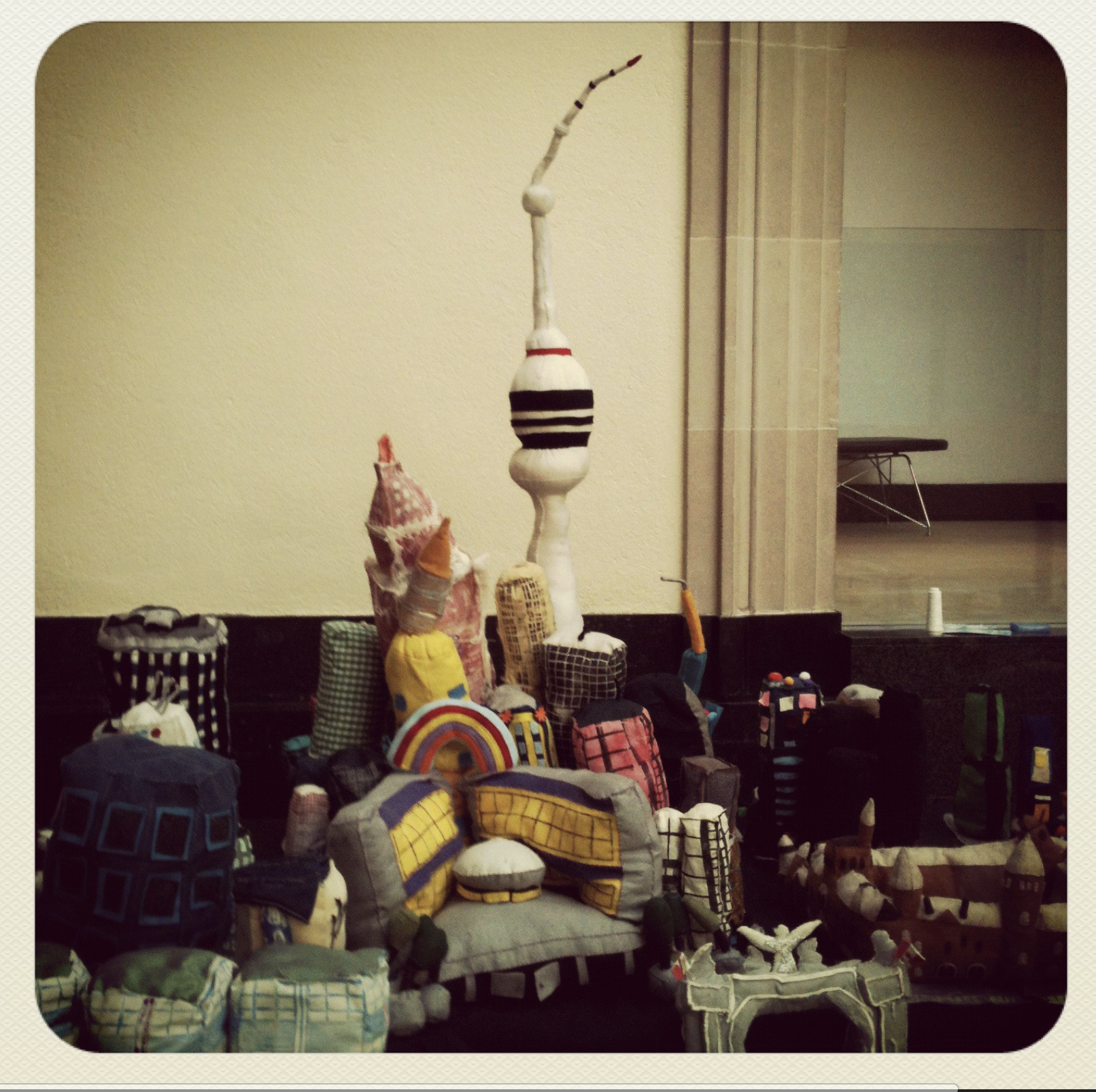
While some of the soft buildings are cute and whimsical, others depict imposing pieces of infrastructure that at full size and made of hard materials might seem bleak, depressingly ubiquitous, or at the heart of the US war machine. While the original CN tower is famously a feat of engineering, making a 6′ tall felt tower stuffed with soft batting stand up straight is also quite challenging. While the windowless boxes that serve as elementary schools in so many post-war Canadian suburbs may strike us as architectural choices somewhat at odds with the tastes of children, turning one into a soft toy returns some of the joy all that concrete sucked out. Encountering a coal-fired power plant on a drive through West Virginia, one is simultaneously drawn to the enormity of their soft organic curves, and sickened by the equally enormous clouds of smoke billowing out. The Soft City’s coal-fired plants are open shells that could be un-stuffed in seconds, though their eerie blinking LED lights would continue to flash on until the batteries die. In The Soft City, the Pentagon is reduced to a cozy pillow, and the majestic Taj Mahal can sit next to a lowly Worm & Bait Shack.